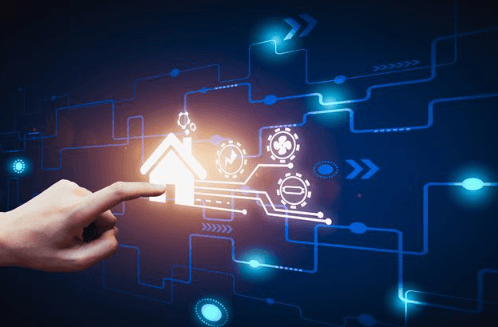

IoT in home automation enables coordinated control of devices, data flow, and automations for occupancy sensing, climate adjustment, and adaptive lighting. Platforms vary in interoperability, transparency, and privacy, with a focus on local control and clear migration paths. Building blocks include robust devices, reliable protocols, and scalable architectures, all backed by rigorous testing. Practical scenarios show cross-brand operation and secure, frictionless daily tasks, while future trends invite ongoing evaluation of energy harvesting and user experience trade-offs. The next step invites closer scrutiny of implementation choices.
What IoT in Home Automation Enables Today
IoT in Home Automation enables a seamless integration of devices, data, and automations that optimize everyday tasks and energy use. Systems monitor occupancy, adjust climate, and manage lighting schedules with precision.
Smart lighting responds to presence and daylight, reducing waste. Energy harvesting concepts enable maintenance-free sensors and extended longevity, supporting reliable deployments while preserving user autonomy and empowering informed, flexible living environments.
How to Choose a Smart Home Platform
Choosing a smart home platform requires evaluating how devices, data, and automations will interoperate across the household. Selection should emphasize compatibility, extensibility, and vendor transparency. Assess UX design for intuitive control, data ownership policies, and privacy safeguards. Consider local control options, update cadence, and API access. Prioritize predictable automation, robust failsafes, and clear migration paths to minimize lock-in and maximize freedom.
Building Blocks: Devices, Protocols, and Security
Effective home automation hinges on clearly defined devices, interoperable protocols, and robust security measures. This section analyzes components: devices, their compatibility, and how protocols enable reliable communication across ecosystems. Emphasis rests on structured installation, scalable architectures, and consistent testing to minimize security risks. Documented best practices guide vendors and users toward resilient networks, reduced friction, and freedom to choose compatible, future-proof solutions.
Practical Scenarios and Future Trends in a Connected Home
Practical scenarios in a connected home illustrate how coordinated devices, data flows, and user interfaces converge to streamline daily tasks while maintaining security and reliability.
In practice, sensor interoperability enables seamless automation across brands, reducing configuration overhead.
Future trends emphasize edge processing, standardized privacy controls, and transparent data policies, ensuring user autonomy.
Privacy implications are mitigated through granular permissions and auditable, user-centered design.
See also: newsstupid
Frequently Asked Questions
How Can I Securely Update Devices Without Disrupting Automation?
A secure firmware update plan minimizes disruption by staging updates, validating integrity, and rolling back on failure. The system logs update failures, retries transparently, and provides fallbacks, enabling continuous automation while maintaining security and user autonomy.
What Are Privacy Trade-Offs of Remote Access to My Home?
Remote access introduces privacy risks and data ownership questions, often mitigated by clear consent controls. It demands practical assessments, noting trade-offs between convenience and security; the audience seeks freedom through transparent, systematic privacy safeguards and robust oversight.
Can Iot Devices Run on Battery During Power Outages?
IoT devices can run on battery during power outages, though practicality varies. IoT battery life depends on hardware, firmware, and usage patterns; power outage resilience improves with low-power modes, capacitors, and backup batteries in critical nodes.
How Do I Budget for Ongoing Iot Maintenance Costs?
Coincidence highlights budgeting frequency: maintenance automation reduces surprises. The approach prioritizes predictable costs, tracks firmware updates, device lifecycles, and service plans, aligning with freedom-seeking owners who want a practical, systematic, detail-oriented budgeting framework for ongoing IoT upkeep.
What Standards Ensure Interoperability Across Legacy Systems?
Standards ensure interoperability across legacy systems, promoting predictable integration. They emphasize open interfaces and backward compatibility, guiding procurement and testing. Practical approaches prioritize documented protocols, certification processes, and ongoing governance to maintain legacy system compatibility while enabling future scalability.
Conclusion
IoT-enabled homes today deliver cohesive automation across occupancy, climate, lighting, and energy harvesting, creating resilient, low-friction daily routines. A key statistic underscores the value: households with interoperable, local-control platforms report up to 40% faster issue resolution during outages and routine tasks compared to cloud-reliant setups. The practical takeaway is to select platforms emphasizing transparency, privacy, and robust local control, then incrementally add compatible devices, secure protocols, and clear migration paths to sustain long-term scalability and user trust.
