
Water exposure is a common challenge for products used in industrial facilities, transportation systems, outdoor environments, and everyday electrical applications. Rain, splashing, routine cleaning, and directed water jets can all place pressure on protective enclosures. When water reaches sensitive internal components, it may cause corrosion, electrical faults, reduced performance, or premature product failure.
For manufacturers, evaluating water resistance is an important part of product development and quality assurance. Testing helps determine whether an enclosure can withstand specified exposure conditions and whether its seals, joints, connectors, and other protective features perform as intended. Selecting the right testing method is essential because different water exposure conditions can produce very different results.
Why Water Resistance Testing Is Important
Many products depend on an enclosure to keep internal components separate from the surrounding environment. The enclosure may contain electronic circuits, electrical connections, mechanical assemblies, sensors, or control systems. Even when the main housing appears solid, water can enter through small gaps around fasteners, access panels, cable entries, and removable covers.
The risk becomes greater when a product is regularly cleaned or exposed to forceful water streams. Pressure can drive water toward joints that would not be challenged by ordinary splashing. Repeated exposure may also reveal weaknesses that are difficult to identify through a visual inspection alone.
Water resistance testing allows manufacturers to assess these vulnerabilities under controlled conditions. It can support design validation, help compare sealing materials, and identify manufacturing inconsistencies before products reach the market.
Testing is also valuable when a product undergoes a design change. A new connector, revised gasket, modified housing, or different assembly process may affect the enclosure’s protective performance. Repeating the appropriate test helps establish whether the revised design continues to meet its requirements.
Understanding Different Water Exposure Conditions
Not all water tests are designed to evaluate the same level of protection. A method intended to assess light splashing is different from one involving powerful jets or immersion. Manufacturers should select the test based on the product’s intended operating environment and the relevant standards.
Splash and Spray Testing
Splash testing examines how an enclosure responds to water reaching its surfaces under defined conditions. It can be appropriate for products exposed to incidental splashes or moderate water spray.
Although useful, this method may not adequately represent equipment that must withstand intensive washdown procedures. A product that passes a low-severity spray test should not automatically be considered suitable for high-pressure cleaning.
High-Pressure Water Jet Testing
High-pressure testing subjects the product to directed water jets under controlled conditions. The procedure may specify water pressure, temperature, flow rate, nozzle configuration, distance, exposure duration, and direction of application.
These variables affect the severity and repeatability of the test. If they are not controlled properly, two tests performed on similar products may produce results that are difficult to compare.
Immersion Testing
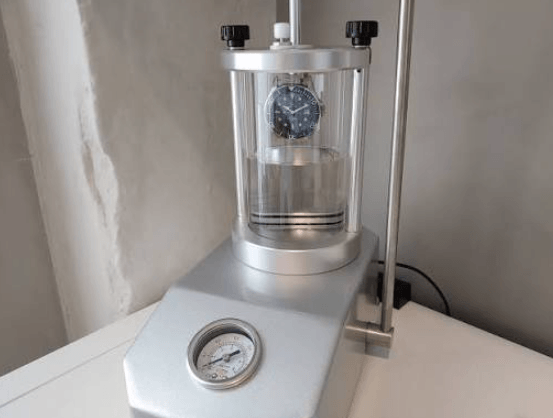
Immersion testing evaluates exposure to water while a product is submerged under defined conditions. It addresses a different type of challenge from water jet testing because the product is exposed to water pressure associated with depth rather than a directed jet.
The appropriate method depends on the product’s required protection level. Manufacturers should avoid treating one successful test as proof of performance under every possible water exposure scenario.
Choosing Appropriate Testing Equipment
Testing equipment should be selected according to the applicable standard, product dimensions, required exposure conditions, and intended evaluation criteria. Maximum pressure alone is not enough to establish whether a system is suitable for a particular application.
When assessing a LIB industry waterproof test machine manufacturers should verify that the equipment can reproduce the parameters required for their product qualification procedure. They should also examine sample capacity, nozzle arrangements, control stability, safety provisions, and the availability of useful test records.
Several practical factors deserve attention:
- Test requirements: Identify the standard and protection level before selecting equipment.
- Pressure and flow control: Confirm that the system supports the required water delivery conditions.
- Temperature regulation: Where the procedure specifies water temperature, ensure that the equipment can maintain it appropriately.
- Sample capacity: Check that the chamber can accommodate the complete product without interfering with the prescribed exposure.
- Nozzle arrangement: Verify that nozzle positioning and movement meet the relevant test method.
- Safety and drainage: Consider protective guarding, interlocks, water management, and safe access for operators.
- Documentation: Look for clear ways to record test settings, sample identification, observations, and outcomes.
Equipment should also be evaluated in terms of repeatability. A reliable system allows the same test conditions to be reproduced, helping engineering teams determine whether changes in results are caused by the product or by variations in the testing process.
Applications Across Manufacturing Industries
Electrical and Electronic Products
Electrical enclosures must protect internal components from environmental conditions appropriate to their intended use. Water resistance testing can reveal weaknesses around cable glands, connectors, switches, access covers, and display panels.
The results can guide engineers in improving enclosure geometry, selecting suitable sealing materials, and adjusting assembly procedures. For sensitive electronics, additional functional checks may help determine whether water exposure affects the product’s performance.
Automotive Components
Vehicles contain many electrical and mechanical components that may encounter rain, road spray, or vehicle washing. Depending on their location and intended protection level, selected connectors, sensors, lamps, and control modules may require specific water ingress evaluations.
The testing method should reflect the component’s actual qualification requirements. A water resistance result for one component does not necessarily establish suitability for every location or exposure condition in a vehicle.
Industrial Machinery
Industrial facilities may use cleaning procedures that expose machinery and control systems to substantial quantities of water. Enclosures used in these environments need protection appropriate to the cleaning process and the surrounding operating conditions.
Testing can help identify weak seals and poorly protected openings before installation. It can also support the evaluation of replacement parts or redesigned enclosures used in established equipment.
Outdoor and Commercial Equipment
Outdoor electrical systems and commercial devices may experience rain, splashing, and periodic cleaning. Their required protection depends on installation, expected weather conditions, maintenance practices, and applicable standards.
For these products, water resistance testing should be considered alongside other environmental evaluations where necessary. Temperature changes, dust, corrosion, and prolonged material exposure can influence long-term performance even when an enclosure initially passes a water test.
Preparing Products for a Reliable Test
Good preparation is essential for obtaining useful results. Before testing, technicians should confirm that the sample is complete, undamaged, and assembled according to the manufacturer’s instructions. Covers, fasteners, seals, and cable entries should be installed in the configuration specified by the test procedure.
A baseline inspection can help identify existing defects and provide a point of comparison after exposure. Depending on the product, this may include visual checks, electrical measurements, functional testing, or photographs of important sealing areas.
The sample should be mounted securely without unnecessarily shielding the surfaces that need to be exposed. Technicians should then verify the equipment settings and follow the prescribed sequence, including the specified nozzle positions and exposure duration.
Any deviation from the test procedure should be documented. Unrecorded changes can make the results difficult to interpret and may undermine comparisons between samples or production batches.
See also: What to Know Before Choosing Chiropractic Care in Hong Kong
Interpreting Results and Correcting Design Weaknesses
Once testing is complete, the sample should be inspected against predetermined acceptance criteria. These criteria may cover visible water ingress, moisture near sensitive components, electrical performance, mechanical function, or other product-specific requirements.
The interpretation must reflect the design. Some products may allow limited water in designated areas, while others require particularly strict protection of internal assemblies. For this reason, acceptance criteria should be established before testing rather than chosen after the results are known.
If water ingress occurs, engineers should investigate the entry point and determine the likely cause. Common issues include uneven gasket compression, inadequate sealing around cable openings, poorly aligned panels, damaged seals, and gaps created during assembly.
Corrective measures may involve changing the gasket material, improving the fit between housing parts, revising fastener placement, or redesigning a vulnerable interface. After the change, the product should undergo the appropriate verification test to establish whether the solution is effective.
This approach turns a failed test into useful engineering evidence. Instead of relying on assumptions, manufacturers can use observations and repeatable testing to guide improvements.
Building Water Testing Into Quality Assurance
Water resistance testing delivers greater value when it is part of a structured quality programme. During product development, it helps identify weaknesses before a design is finalised. During validation, it supports confirmation that the finished product meets defined requirements. In production, suitable sampling and inspection procedures can help monitor manufacturing consistency.
Documentation should include the sample identification, test method, equipment settings, relevant environmental conditions, inspection findings, and final decision. If corrective action is required, the record should also explain what changed and how the improvement was verified.
Manufacturers should remember that water resistance is only one aspect of environmental durability. A product may require separate assessments for dust ingress, immersion, corrosion, cleaning chemicals, vibration, or temperature cycling. Selecting tests that reflect actual use provides a more complete understanding of product reliability.
Frequently Asked Questions
1. What is the purpose of a waterproof test machine?
It is used to expose products to defined water conditions so manufacturers can assess whether enclosures resist water ingress according to specified requirements. The exact capabilities depend on the equipment and the test method it supports.
2. How do manufacturers choose the right water resistance test?
They should begin with the product’s intended operating environment, applicable standards, required protection level, and acceptance criteria. The chosen equipment must reproduce the conditions specified by the relevant test procedure.
3. Does passing a water resistance test mean a product is completely waterproof?
No. A successful result applies to the specific test conditions and criteria used. It does not automatically demonstrate resistance to immersion, chemicals, corrosion, ageing, or every real-world water exposure condition.
Conclusion
Water resistance testing helps manufacturers understand how products respond to defined water exposure conditions and identify weaknesses in protective enclosures. By selecting suitable equipment, preparing samples carefully, controlling test parameters, and evaluating results against clear criteria, engineering teams can make informed improvements to product design and manufacturing quality.
A consistent testing process also improves traceability and helps teams compare results over time. When water testing is integrated with other relevant environmental assessments, it becomes a practical part of building reliable products for demanding operating environments.
