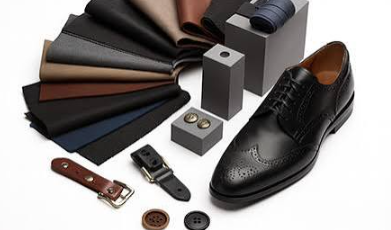

Synthetic leather has become a widely used material across several manufacturing industries. From upholstered furniture and footwear to handbags, vehicle interiors, and decorative accessories, it offers manufacturers flexibility in design, surface appearance, and product development. Advances in coating technologies and textile backing materials have also expanded the range of finishes available to businesses.
Vietnam is an important destination for companies involved in footwear, apparel, and consumer-goods manufacturing. Its established production networks make the country relevant to businesses exploring regional material sourcing options. However, finding a suitable supplier requires more than identifying a company with an attractive product catalogue. Buyers must understand material specifications, verify manufacturing capabilities, and assess whether a supplier can meet their quality and delivery expectations.
A structured sourcing process can help businesses reduce production risks and establish relationships that remain dependable as order volumes grow.
Understanding the Different Types of Synthetic Leather
Synthetic leather is a manufactured material designed to provide some of the appearance and practical characteristics associated with natural leather. Its construction typically includes a textile or nonwoven backing combined with a polymer surface layer. Different formulations produce different levels of softness, flexibility, durability, and resistance to environmental conditions.
Understanding these differences is essential because materials that look similar may behave differently during manufacturing and everyday use.
Polyurethane-Based Materials
Polyurethane, commonly known as PU, is frequently used in synthetic leather production. Depending on the formulation and construction, PU-based materials can offer a soft hand feel, flexible structure, and detailed surface textures.
These characteristics make them suitable for many footwear products, fashion accessories, and selected upholstery applications. Manufacturers can choose from smooth finishes, embossed patterns, matte surfaces, and other decorative options.
Performance varies between grades. Buyers should consider resistance to abrasion, repeated flexing, hydrolysis, and discoloration when selecting a material for a demanding application.
PVC-Based Materials
PVC synthetic leather uses polyvinyl chloride as its principal surface polymer. It is available in numerous colors, patterns, and thicknesses, making it useful for furniture coverings, certain footwear products, bags, and protective surfaces.
The formulation and backing material influence the finished product’s flexibility and durability. Some grades may be suitable for applications involving frequent cleaning, while others are intended primarily for decorative use.
Buyers should confirm chemical composition, operating temperature limits, and any relevant safety requirements before selecting a particular grade.
Backing Materials and Surface Finishes
The backing is an important part of synthetic leather construction. Woven fabrics, knitted textiles, and nonwoven materials can affect strength, stretch, flexibility, and dimensional stability.
Surface treatments also influence appearance and maintenance. A textured finish may help create a particular design effect, while a protective coating may improve resistance to selected forms of wear.
For manufacturers, the entire construction matters more than the surface appearance alone. A material must work with the intended cutting, stitching, bonding, and assembly processes.
Why Vietnam Is Relevant to Material Sourcing
Vietnam has developed substantial manufacturing activity in footwear, garments, bags, and other consumer products. These industries require materials that can support consistent production, attractive designs, and international delivery schedules.
Established Footwear and Accessories Production
Footwear manufacturers use synthetic leather in casual shoes, sandals, selected sports footwear, and fashion products. The material can provide consistent color and texture across a production run, which helps brands maintain a coordinated appearance.
Bags and accessories manufacturers also use synthetic leather for exterior panels, trims, decorative details, and selected structural components. These products may require different combinations of flexibility, surface durability, and stitching performance.
Vietnam’s downstream manufacturing activity makes it a useful market to investigate. Nevertheless, buyers should distinguish between businesses that manufacture the material itself, companies that distribute it, and factories that purchase it for finished-product manufacturing.
Opportunities for Custom Development
Brands often need more than a standard material. They may request a specific color, grain pattern, thickness, backing, surface finish, or performance characteristic.
A capable supplier should explain which options are available from existing stock and which require custom development. Buyers should also ask about sample preparation, approval procedures, minimum quantities, and the additional time needed for customized production.
Clear communication during development helps reduce the risk of receiving material that differs from the approved design.
Export and Logistics Considerations
International sourcing involves more than production capability. Packaging, shipment planning, documentation, and delivery coordination can affect the overall purchasing experience.
Businesses should discuss shipping terms, estimated production schedules, and responsibilities for export documentation before confirming an order. It is also useful to clarify how delays or damaged shipments will be handled.
A supplier’s experience with international customers may be helpful, but its ability to meet a particular project’s requirements should still be verified.
How to Evaluate Potential Suppliers
When comparing synthetic leather suppliers Vietnam, buyers should focus on technical capability, consistency, communication, and commercial reliability. A supplier that performs well in one area may still be unsuitable if it cannot meet the project’s other essential requirements.
Confirm the Supplier’s Actual Role
Start by determining whether the company manufactures synthetic leather, distributes products from other factories, or specializes in converting materials into finished goods.
Each business model has advantages. A distributor may provide access to several material options, while a direct manufacturer may offer greater control over production specifications. The important point is to understand where manufacturing and quality-control responsibilities sit.
Ask for information about production facilities, available product ranges, and the processes performed internally. Where necessary, request supporting documentation or arrange an appropriate factory assessment.
Request Samples and Technical Specifications
Samples allow product developers to inspect texture, color, flexibility, thickness, and surface consistency before committing to a large order.
Technical specifications should cover the properties relevant to the application. These may include abrasion resistance, tensile strength, tear strength, adhesion, flex resistance, and hydrolysis performance. Not every product needs every test, so the requirements should reflect actual operating conditions.
For furniture applications, cleaning performance and resistance to repeated use may be particularly important. For footwear, flexibility and surface adhesion may deserve greater attention.
Evaluate Production Consistency
A sample may look excellent, but the supplier must also reproduce its specifications in subsequent batches. Changes in color, thickness, surface texture, or backing construction can affect finished-product quality.
Buyers should establish an approved reference sample and written acceptance criteria. They can also request inspection records and clarify how the supplier identifies and separates nonconforming material.
For long-term supply arrangements, periodic quality reviews can help identify problems before they disrupt production.
Cost Factors Beyond the Quotation
Material price is only one part of the total cost of sourcing synthetic leather. Businesses should also consider the expenses associated with testing, customization, transportation, storage, and production waste.
Custom colors or surface patterns may involve development charges or minimum order quantities. Specialized backing materials and performance requirements can also affect pricing.
Shipping costs depend on shipment size, destination, packaging, and agreed delivery terms. Buyers should confirm whether quotations include sampling, export packing, or other services.
It is equally important to consider material utilization. A product that cuts efficiently and produces less waste may offer better overall value than a cheaper alternative that creates more rejected components.
Comparing suppliers against the same specifications makes these differences easier to assess.
Common Sourcing Mistakes to Avoid
One frequent mistake is selecting material based only on appearance. Two samples may look almost identical but differ considerably in flexibility, surface adhesion, or resistance to repeated use.
Another mistake is assuming that every synthetic leather product is suitable for every industry. Material intended for decorative accessories may not meet the performance requirements of heavily used furniture or specialized footwear.
Buyers should also avoid changing specifications during production without documenting the revision. Even a seemingly minor adjustment to color, backing, or thickness can affect the finished product.
Finally, placing a large order before testing a sample in the actual manufacturing process can create unnecessary risk. A short trial run can reveal problems with cutting, stitching, bonding, or assembly before they become expensive.
A Practical Approach to Long-Term Supplier Relationships
The best sourcing process begins with a clear material brief. Record the intended application, required construction, dimensions, thickness, finish, performance criteria, quantity, and delivery schedule.
Use these requirements to shortlist potential suppliers and request comparable quotations. Evaluate samples against the same standards and document the selected material’s specifications before approving production.
Communication should continue after the initial order. Buyers can schedule quality reviews, track delivery performance, and discuss upcoming demand with suppliers. Sharing forecasts may help both parties plan production and manage stock more effectively.
Companies beginning their research can review industry information about synthetic leather suppliers Vietnam to identify potential sourcing directions. Any prospective partner should then be evaluated independently through technical documentation, representative samples, capability checks, and clearly defined commercial terms.
A reliable relationship develops when expectations are clear and both parties understand how quality, delivery, and specification changes will be managed.
Three Common Questions
1. What information should be included in a synthetic leather inquiry?
An inquiry should describe the intended application, preferred material type, backing construction, thickness, color, surface finish, performance requirements, order quantity, and delivery destination. Providing this information helps suppliers recommend appropriate products and prepare more accurate quotations.
2. How can buyers compare synthetic leather quality?
They should inspect representative samples, review technical specifications, and conduct tests suited to the intended application. Relevant assessments may include abrasion, flexing, adhesion, tear strength, and resistance to environmental exposure. Results should be evaluated against defined acceptance criteria.
3. Is it better to purchase directly from a manufacturer or through a distributor?
Direct manufacturers may offer greater control over customization and production specifications, while distributors may provide access to multiple brands or smaller quantities. The better option depends on order size, technical needs, lead times, and the level of support required.
Conclusion
Synthetic leather offers manufacturers a broad range of design and functional possibilities, but successful sourcing depends on selecting a material that suits the finished product and a supplier that can deliver consistent quality.
Vietnam’s established consumer-goods manufacturing sector makes it a relevant destination for sourcing research. By verifying supplier capabilities, testing samples, documenting specifications, and evaluating total costs, businesses can make better-informed purchasing decisions and build more dependable supply relationships.
